Components of Fitness: 5 Valuable Ways to Improve

Table of Contents
Toggle
Introduction
Fitness is often misunderstood as simply exercising or maintaining a certain body weight. In reality, true fitness is a multidimensional concept that reflects how well the body performs a wide range of physical tasks while maintaining overall health. To achieve this level of fitness, it is essential to understand the fundamental components that make up physical fitness. These components act as the building blocks of movement, strength, endurance, and overall bodily function.
The components of fitness provide a structured framework for designing effective workout routines and lifestyle habits. They ensure that no area of physical health is neglected and that the body develops in a balanced, efficient way. Whether your goal is improved athletic performance, injury prevention, weight management, or simply feeling better in daily life, understanding these components is critical.
This article explores the five primary components of fitness: cardiovascular endurance, muscular strength, muscular endurance, flexibility, and body composition. Each component will be examined in depth, including its importance, benefits, and practical strategies for improvement. By understanding and training all five components, you can create a comprehensive fitness routine that supports long-term health, resilience, and performance.
1. Cardiovascular Endurance
Cardiovascular endurance refers to the ability of the heart, lungs, and circulatory system to efficiently deliver oxygen to working muscles during sustained physical activity. This component of fitness is essential for activities that require continuous movement over time, such as running, swimming, cycling, or even brisk walking.
A strong cardiovascular system allows the body to perform physical tasks with less fatigue and greater efficiency. It improves heart health, lowers resting heart rate, enhances lung capacity, and supports better blood circulation. Over time, improved cardiovascular endurance reduces the risk of chronic diseases such as heart disease, hypertension, and type 2 diabetes.
Benefits of cardiovascular endurance include:
- Increased stamina and energy levels
- Improved heart and lung efficiency
- Faster recovery from physical exertion
- Enhanced mental health and stress reduction
To improve cardiovascular endurance, consistency is key. Aerobic exercises such as jogging, rowing, cycling, dancing, and swimming should be performed regularly. Beginners can start with low-impact activities and gradually increase duration and intensity as fitness improves.
Incorporating interval training—alternating between higher and lower intensities—can further challenge the cardiovascular system and accelerate progress. Over time, these adaptations lead to improved endurance, making everyday activities feel easier and less physically demanding.
2. Muscular Strength
Muscular strength is defined as the maximum force a muscle or group of muscles can produce in a single effort. This component of fitness plays a crucial role in physical performance, functional movement, and injury prevention.
Strong muscles support the skeletal system, stabilize joints, and enable the body to perform powerful movements such as lifting, pushing, pulling, and jumping. Muscular strength is not just important for athletes; it is equally valuable for daily tasks like carrying groceries, lifting children, or maintaining balance.
Key benefits of muscular strength include:
- Improved bone density and joint stability
- Reduced risk of injury
- Enhanced posture and movement efficiency
- Greater functional independence with age
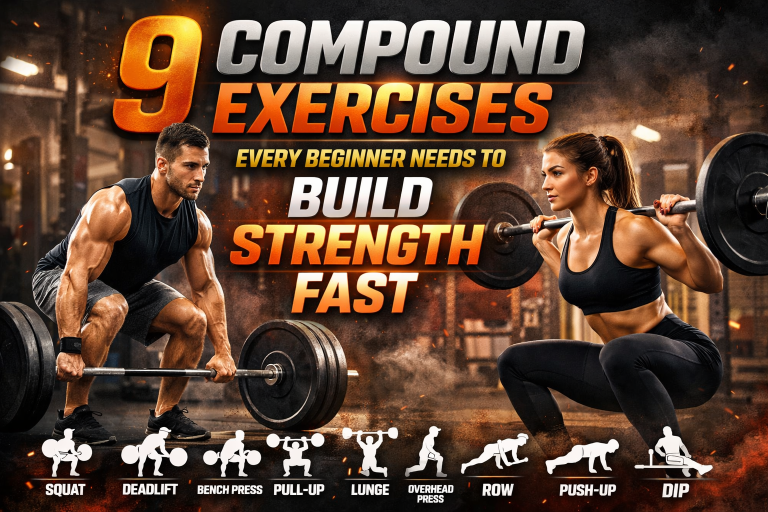
Resistance training is the most effective way to build muscular strength. This can be achieved through free weights, machines, resistance bands, or bodyweight exercises. Compound movements such as squats, deadlifts, bench presses, and overhead presses engage multiple muscle groups and promote overall strength development.
To maximize muscular strength gains, workouts should focus on heavier resistance with fewer repetitions, typically between 4 and 8 repetitions per set. Adequate rest between sessions is essential to allow muscles to recover and grow stronger.
3. Muscular Endurance
Muscular endurance refers to the ability of muscles to perform repeated contractions or maintain a contraction for an extended period. While muscular strength emphasizes power, muscular endurance emphasizes sustainability and efficiency.
This component of fitness is particularly important for activities that involve repetitive movements, such as running, swimming, cycling, rowing, and even prolonged standing or holding certain postures. Muscular endurance allows muscles to resist fatigue, enabling longer and more effective performance.
Benefits of muscular endurance include:
- Improved ability to perform prolonged physical tasks
- Reduced muscle fatigue
- Enhanced athletic and functional performance
- Greater efficiency in daily movements
Training for muscular endurance involves using lighter resistance with higher repetitions, typically ranging from 12 to 20 or more. Bodyweight exercises such as push-ups, lunges, planks, and wall sits are excellent for developing endurance.
Circuit training, where multiple exercises are performed consecutively with minimal rest, is another effective method for improving muscular endurance. Over time, improved muscular endurance allows the body to sustain physical effort with less strain and fatigue.
4. Flexibility
Flexibility is the ability of joints and muscles to move freely through their full range of motion. Although often overlooked, flexibility is a vital component of fitness that directly affects mobility, posture, and injury prevention.
Good flexibility allows the body to move more efficiently and reduces the risk of muscle strains, joint pain, and movement restrictions. It also enhances performance in strength and endurance activities by enabling proper movement mechanics.
Benefits of flexibility include:
- Improved joint mobility
- Reduced muscle tension and stiffness
- Better posture and alignment
- Lower risk of injury
Flexibility can be improved through regular stretching and mobility exercises. Dynamic stretching, which involves controlled movement through a range of motion, is ideal before workouts as it prepares muscles for activity. Static stretching, where a stretch is held for an extended period, is best performed after workouts to improve muscle length.
Practices such as yoga and Pilates are particularly effective for enhancing flexibility while also promoting balance, strength, and mindfulness. Consistent flexibility training contributes to smoother movement patterns and overall physical comfort.
5. Body Composition
Body composition refers to the proportion of fat mass to lean mass in the body, including muscles, bones, and organs. Unlike body weight alone, body composition provides a more meaningful measure of overall health and fitness.
A healthy body composition supports metabolic efficiency, physical performance, and disease prevention. Improving this component involves reducing excess body fat while preserving or increasing lean muscle mass.
Benefits of healthy body composition include:
- Improved metabolic health
- Reduced risk of chronic diseases
- Enhanced physical performance
- Better energy balance and confidence
Improving body composition requires a combination of proper nutrition, regular physical activity, and adequate recovery. A balanced diet rich in lean proteins, whole grains, healthy fats, fruits, and vegetables supports muscle growth and fat loss.
Strength training increases lean muscle mass, while cardiovascular exercise supports calorie expenditure and heart health. Monitoring progress through metrics such as body fat percentage or waist circumference provides a clearer picture of improvements than scale weight alone.
Achieving Balance Across All Components of Fitness
True fitness is achieved when all five components are developed together. Overemphasizing one component while neglecting others can lead to physical imbalances, reduced performance, and increased injury risk.
A well-rounded fitness routine should include:
- Cardiovascular workouts for heart and lung health
- Strength training for muscular development
- Endurance exercises for sustained performance
- Flexibility work for mobility and recovery
- Healthy lifestyle habits for optimal body composition
Incorporating variety into workouts not only improves physical balance but also enhances motivation and enjoyment. Rest and recovery are equally important, allowing the body to adapt and grow stronger over time.
Conclusion
The five components of fitness—cardiovascular endurance, muscular strength, muscular endurance, flexibility, and body composition—form the foundation of a healthy and effective fitness routine. Each component plays a distinct and essential role in supporting physical performance, daily functionality, and long-term health.
By understanding and training all five components consistently, individuals can build a balanced, resilient body capable of meeting the demands of both exercise and everyday life. Fitness is not about focusing on a single goal but about creating harmony across all aspects of physical health. When approached with balance and intention, the components of fitness work together to support a stronger, healthier, and more active lifestyle.
Reference