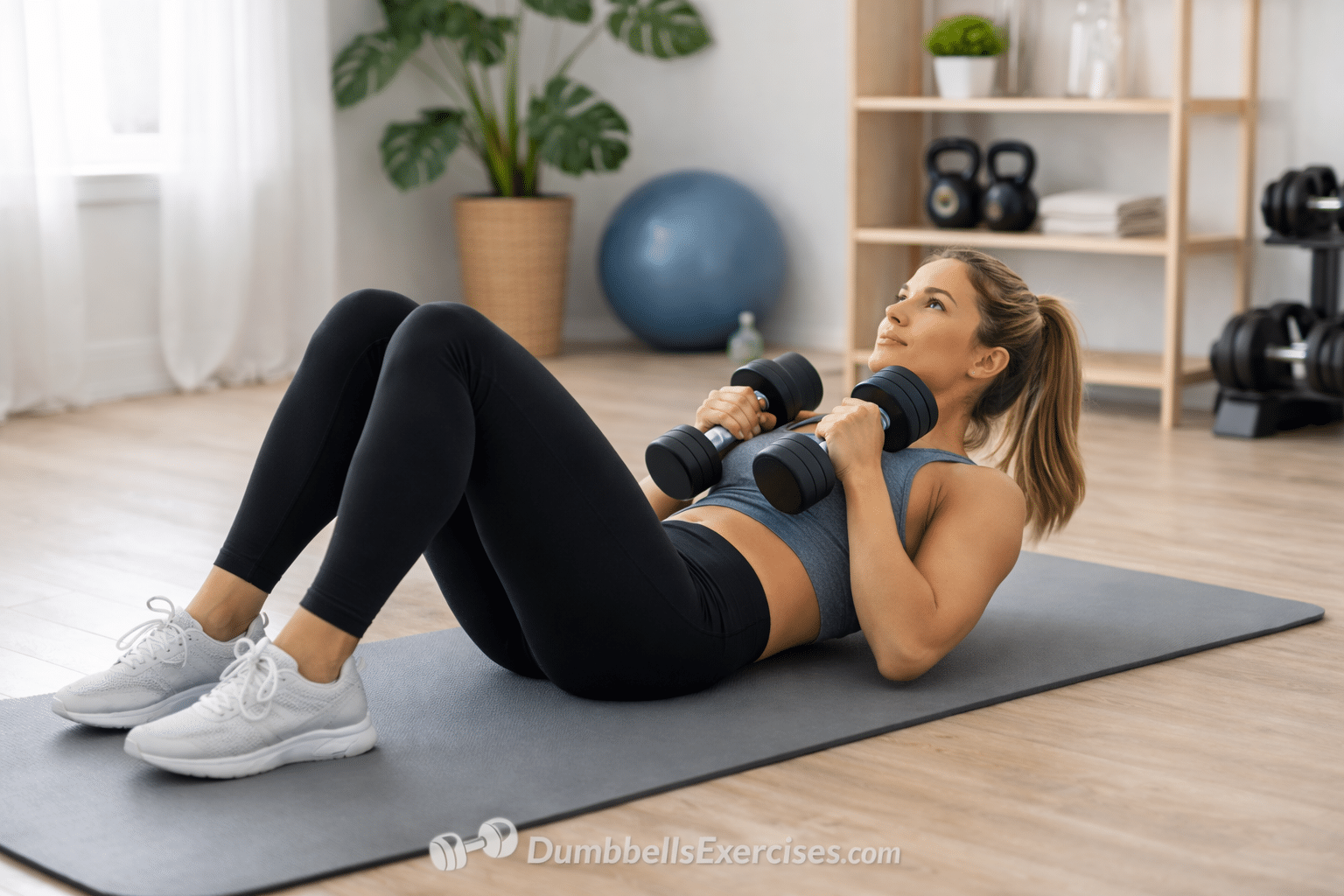


The weighted crunch is a simple but highly effective exercise for developing abdominal strength and muscle definition. By adding resistance to a standard crunch, you increase the challenge placed on the core muscles, leading to better strength gains over time. When performed with proper technique, this movement targets the abs while minimizing lower-back strain.
What Is a Weighted Crunch?
A weighted crunch is a core exercise that adds external resistance—such as a dumbbell, weight plate, or cable—to a traditional crunch. The goal is to increase muscular tension in the abdominal area without turning the movement into a full sit-up.
Unlike sit-ups, this exercise keeps the range of motion short and controlled, placing more emphasis on the abdominal muscles rather than the hips.
Benefits of Adding Resistance to Crunches
Including resistance-based ab exercises in your routine offers several advantages:
Greater Abdominal Strength
Additional load forces the core to work harder, leading to improved strength and control.
Improved Muscle Definition
Progressive resistance is essential for muscle growth, even in the abs.
Enhanced Core Stability
A stronger midsection supports posture, balance, and compound lifts such as squats and deadlifts.
Efficient and Accessible
This exercise requires minimal equipment and can be done at home or in the gym.
How to Perform the Exercise Correctly
Using proper form is essential for safety and results.
Step-by-Step Instructions
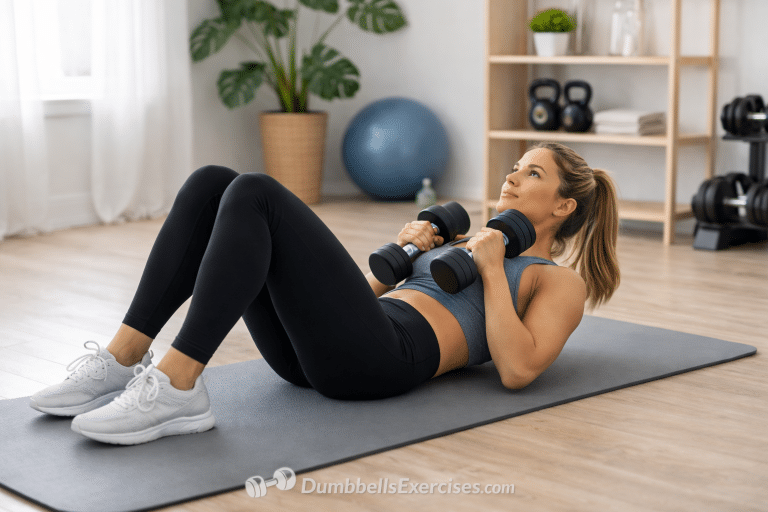
- Lie on your back with knees bent and feet flat on the floor
- Hold a dumbbell or weight plate against your chest
- Brace your core and gently press your lower back into the floor
- Lift your shoulders by contracting your abs
- Pause briefly at the top
- Lower slowly with control
The movement should be smooth and deliberate, not rushed.
Breathing Technique
Breathing properly helps maintain tension:
- Exhale as you lift
- Inhale as you lower
This improves core engagement throughout each repetition.
Common Mistakes to Avoid
Many people reduce effectiveness by making these errors:
Using Excessive Weight
Too much resistance can compromise form and increase injury risk.
Pulling the Neck Forward
The head should remain neutral, with no tension in the neck.
Rushing Repetitions
Slow, controlled reps maximize time under tension.
Arching the Lower Back
The lower back should stay in contact with the floor for spinal safety.
Exercise Variations
To keep training effective, consider these options:
- Dumbbell crunch
- Plate-loaded crunch
- Cable crunch
- Decline bench crunch
Each variation changes resistance or range of motion while still targeting the abs.
Sets, Reps, and Frequency
- Reps: 10–15
- Sets: 3–4
- Rest: 30–60 seconds
Training the abs 2–3 times per week allows enough stimulus without overtraining.
Safety Considerations
When performed with moderate resistance and proper technique, this movement is safe for most people. Start light, progress gradually, and stop if you experience lower-back discomfort.
Frequently Asked Questions
Is adding weight better than doing regular crunches?
Yes, resistance allows progressive overload, which leads to better strength and muscle development.
Can beginners perform this exercise?
Beginners should start with bodyweight or very light resistance and increase gradually.
Does this exercise reduce belly fat?
Ab exercises strengthen muscles, but fat loss depends on overall diet and calorie balance.
What weight should I start with?
Most people can begin with 5–10 lb and increase as strength improves.
Final Thoughts
The weighted crunch is an excellent tool for building a stronger, more defined core when used correctly. By focusing on clean technique, controlled movement, and gradual progression, you can safely improve abdominal strength without unnecessary strain.
When paired with a balanced training program and proper nutrition, this exercise can be a valuable part of an effective core routine.
Reference
Lifefit India. Weighted Crunches: Exercise Guide & Benefits.
Available at: https://lifefitindia.com/weighted-crunches/