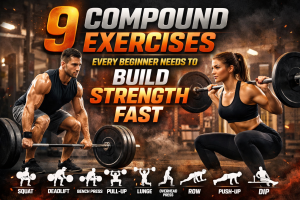
If you’re new to fitness and feeling overwhelmed by complicated workout routines, Compound Exercises are your secret weapon for building strength efficiently. These multi-joint movements work several muscle groups simultaneously, making them the foundation of any effective training program. Whether your goal is building muscle, losing fat, or improving overall fitness, understanding Compound Exercises will help you achieve results faster than isolation movements alone.
This comprehensive guide breaks down everything beginners need to know about Compound Exercises, from basic definitions to proper execution. You’ll discover why these movements are so effective and how to incorporate them safely into your routine.
What Are Compound Exercises?
Compound Exercises are multi-joint movements that engage multiple muscle groups and joints simultaneously during a single repetition. Unlike isolation exercises that target one specific muscle, these movements create a coordinated effort across your body. For example, a squat involves your hips, knees, and ankles while engaging your quadriceps, hamstrings, glutes, and core.
The beauty of Compound Exercises lies in their efficiency. Instead of spending hours targeting individual muscles, you can work your entire body with just a handful of movements. This approach mirrors how your body naturally moves in everyday life, making these exercises incredibly functional.
Why Compound Exercises Are Essential for Beginners
Starting your fitness journey with Compound Exercises sets you up for long-term success. These movements teach your body to work as an integrated unit rather than isolated parts, which improves coordination and balance.
Here are the key benefits that make Compound Exercises perfect for beginners:
- Time efficiency: Work multiple muscle groups in one movement, cutting workout time significantly
- Hormonal response: Trigger greater testosterone and growth hormone release compared to isolation exercises
- Calorie burn: Burn more calories during and after your workout due to increased muscle activation
- Functional strength: Build strength that translates to real-world activities and daily tasks
- Core stability: Naturally engage your core muscles for better posture and injury prevention
According to the American College of Sports Medicine, resistance training that includes Compound Exercises should be performed at least two days per week for optimal health benefits.
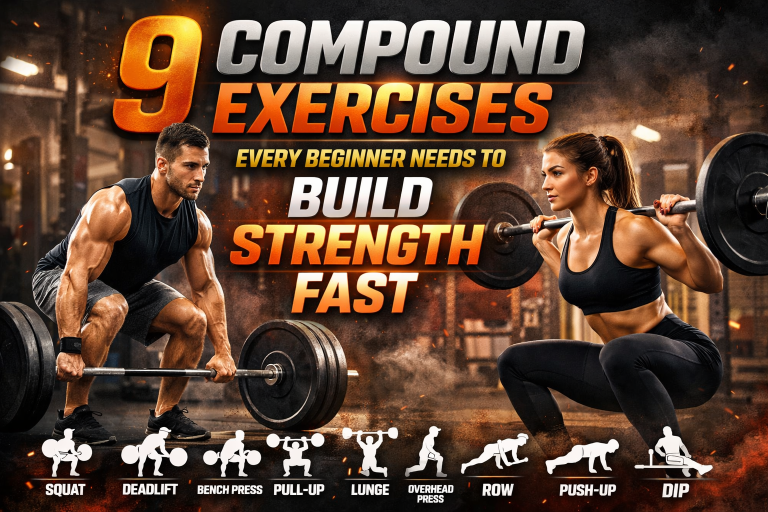
The 9 Essential Compound Exercises Every Beginner Should Master
These nine fundamental Compound Exercises form the backbone of effective strength training programs. Mastering these movements will give you a solid foundation for any fitness goal.

1. The Squat
The squat is often called the king of Compound Exercises. This lower body powerhouse targets your quadriceps, hamstrings, glutes, and core while improving hip mobility and ankle flexibility. Stand with feet shoulder-width apart, lower your hips back and down as if sitting in a chair, then drive through your heels to return to standing.

2. The Deadlift
Deadlifts build full-body strength by engaging your posterior chain, core, and grip. Starting with the barbell on the floor, hinge at your hips, grip the bar, and stand up by extending your hips and knees simultaneously. This movement teaches proper lifting mechanics for everyday activities.

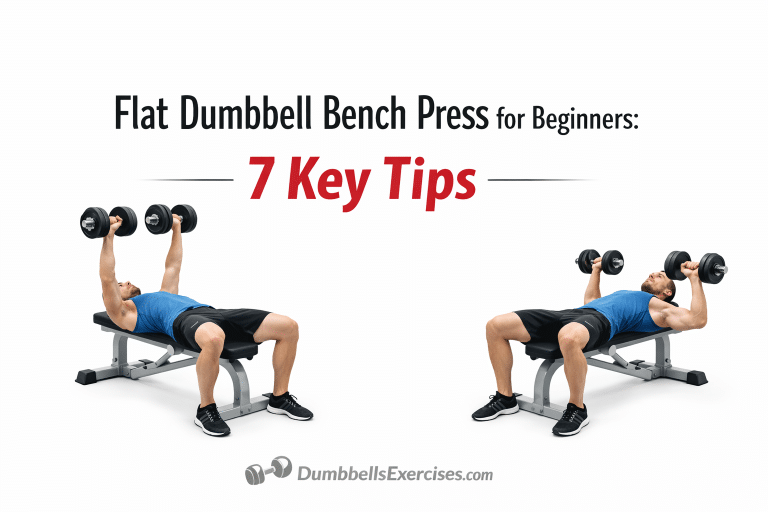
3. The Bench Press
This classic upper body exercise targets your chest, shoulders, and triceps. Lying on a bench, lower the barbell to your chest and press it back up. The bench press is one of the most effective Compound Exercises for building upper body pushing strength.
4. The Overhead Press
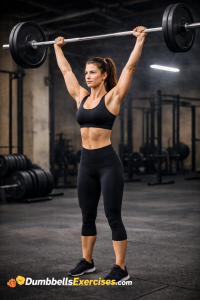
Press a barbell or dumbbells from shoulder height to overhead, engaging your shoulders, triceps, and core. This vertical pressing movement improves shoulder stability and builds impressive upper body strength.

5. The Bent-Over Row
Rows balance out pressing movements by targeting your back, biceps, and rear shoulders. Hinge forward at the hips, pull the weight toward your lower chest, and squeeze your shoulder blades together. Strong pulling muscles are essential for posture and shoulder health.
6. The Pull-Up
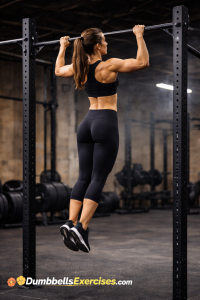
Pull-ups are challenging but highly rewarding Compound Exercises that build back width and arm strength. Hang from a bar and pull your chin above it using your lats, biceps, and core. Beginners can start with assisted variations or negative repetitions.
7. The Lunge
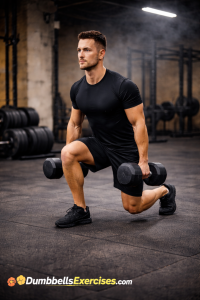
Lunges improve single-leg strength and balance while targeting your quads, glutes, and hamstrings. Step forward and lower your back knee toward the ground, keeping your front knee aligned over your ankle. This unilateral movement corrects muscle imbalances.
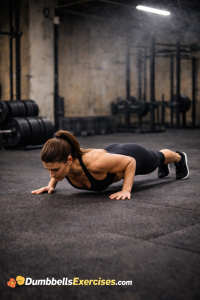
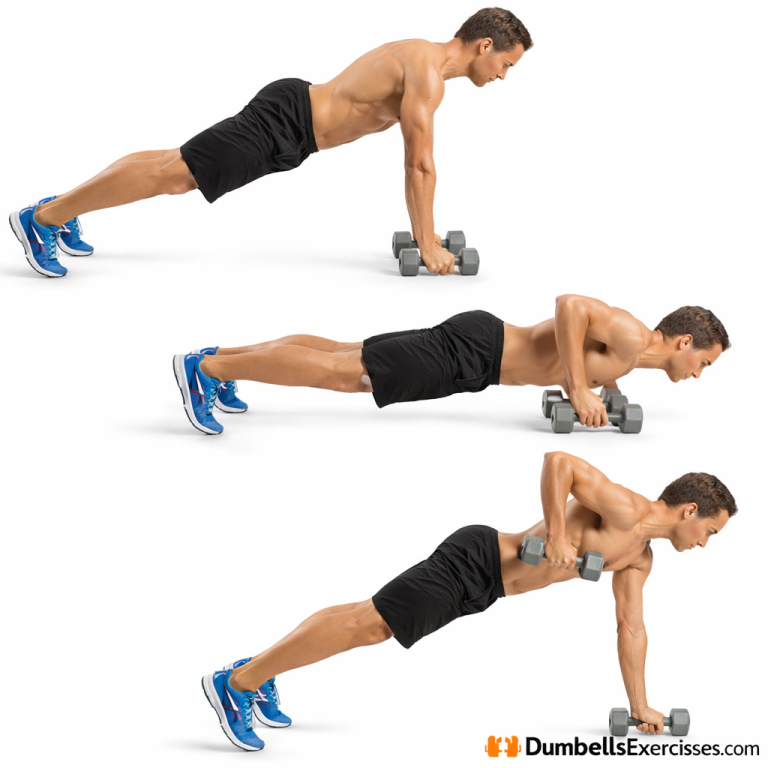
8. The Push-Up
Don’t underestimate this bodyweight classic. Push-ups engage your chest, shoulders, triceps, and core without requiring any equipment. They’re among the most accessible Compound Exercises for building upper body strength anywhere.
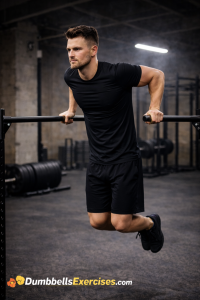
9. The Dip
Using parallel bars or a bench, dips target your chest, triceps, and shoulders through a vertical pressing motion. Lower your body by bending your elbows, then push back up. This movement complements other pressing exercises perfectly.
How to Program Compound Exercises Into Your Routine
As a beginner, focus on learning proper form before adding weight. Start with two to three full-body workouts per week, allowing at least one rest day between sessions. Each workout should include four to six Compound Exercises that target different movement patterns.
A sample beginner structure might look like this: one squat pattern, one hip hinge pattern, one horizontal push, one horizontal pull, and one vertical push or pull. This approach ensures balanced development across your entire body.
The National Strength and Conditioning Association recommends beginners start with lighter loads for 8-12 repetitions per set, focusing on technique mastery before progressing in weight or volume.
Common Mistakes to Avoid with Compound Exercises
Even though Compound Exercises are incredibly effective, poor execution can lead to injury or suboptimal results. Recognizing and correcting these common mistakes will keep your training safe and productive.
Prioritizing Weight Over Form
The biggest mistake beginners make is loading up the bar before mastering movement patterns. Proper form should always come first. Start with bodyweight or light weights, record yourself performing the exercises, and compare your technique to instructional videos from certified trainers.
Neglecting Warm-Up Sets
Jumping straight into heavy Compound Exercises without warming up is asking for trouble. Spend 5-10 minutes doing light cardio followed by movement-specific warm-up sets with minimal weight. This prepares your nervous system and reduces injury risk.
Ignoring Recovery
Because Compound Exercises tax multiple muscle groups, they require adequate recovery time. Beginners often train too frequently, preventing proper muscle repair and strength gains. Respect rest days and listen to your body’s signals.
Holding Your Breath
Proper breathing is crucial during Compound Exercises. Many beginners hold their breath throughout the entire repetition, which can spike blood pressure and reduce performance. Learn to brace your core while maintaining steady breathing.
Skipping Progressive Overload
To keep making progress, you must gradually increase the challenge through added weight, more repetitions, or additional sets. Staying with the same weights indefinitely will halt your progress with Compound Exercises.
Expert Tips for Maximizing Your Results
These practical tips will help you get the most from your Compound Exercises while minimizing frustration and setbacks.
Film Your Sets
Record yourself performing Compound Exercises from different angles. This gives you immediate feedback on your form and helps identify areas for improvement. Many form issues are impossible to feel but obvious on video.
Master the Hip Hinge
The hip hinge is fundamental to deadlifts, rows, and many other movements. Practice hinging at your hips while keeping a neutral spine by pushing your hips back like closing a car door with your butt. This protects your lower back and maximizes power.
Focus on the Eccentric Phase
The lowering portion of Compound Exercises is where significant muscle growth occurs. Control the weight on the way down for a 2-3 second count rather than letting gravity do the work. This builds strength and improves motor control.
Train Barefoot When Appropriate
For exercises like squats and deadlifts, training barefoot or in flat-soled shoes improves stability and ground connection. This allows better force transfer and more natural movement patterns during lower body Compound Exercises.
Keep a Training Log
Track every workout including exercises, sets, reps, and weights used. This data reveals your progress patterns and helps you make informed decisions about when to increase intensity. Consistent tracking transforms guesswork into strategic planning.
Conclusion: Your Path Forward with Compound Exercises
Compound Exercises are the most efficient path to building strength, muscle, and functional fitness as a beginner. By focusing on these multi-joint movements, you’ll achieve more in less time while developing a strong foundation for any fitness goal. Remember that mastering the nine essential movements takes time and patience.
Start with proper form, progress gradually, and stay consistent with your training. Avoid common mistakes by prioritizing technique over ego, respecting recovery, and following a structured program. With dedication and smart training, Compound Exercises will transform not just your body but your overall confidence and capability.
Begin your journey today by selecting three to four of these movements and practicing them twice per week. As you gain confidence and strength, you’ll discover why experienced lifters always return to these fundamental patterns. The path to strength begins with a single rep—make yours count.